What We Do

Services

The full list of roofing work we take on, big and small.

Home › Services

Everything we take on

Every job below is one we do ourselves across West Covina.

Roof Replacement

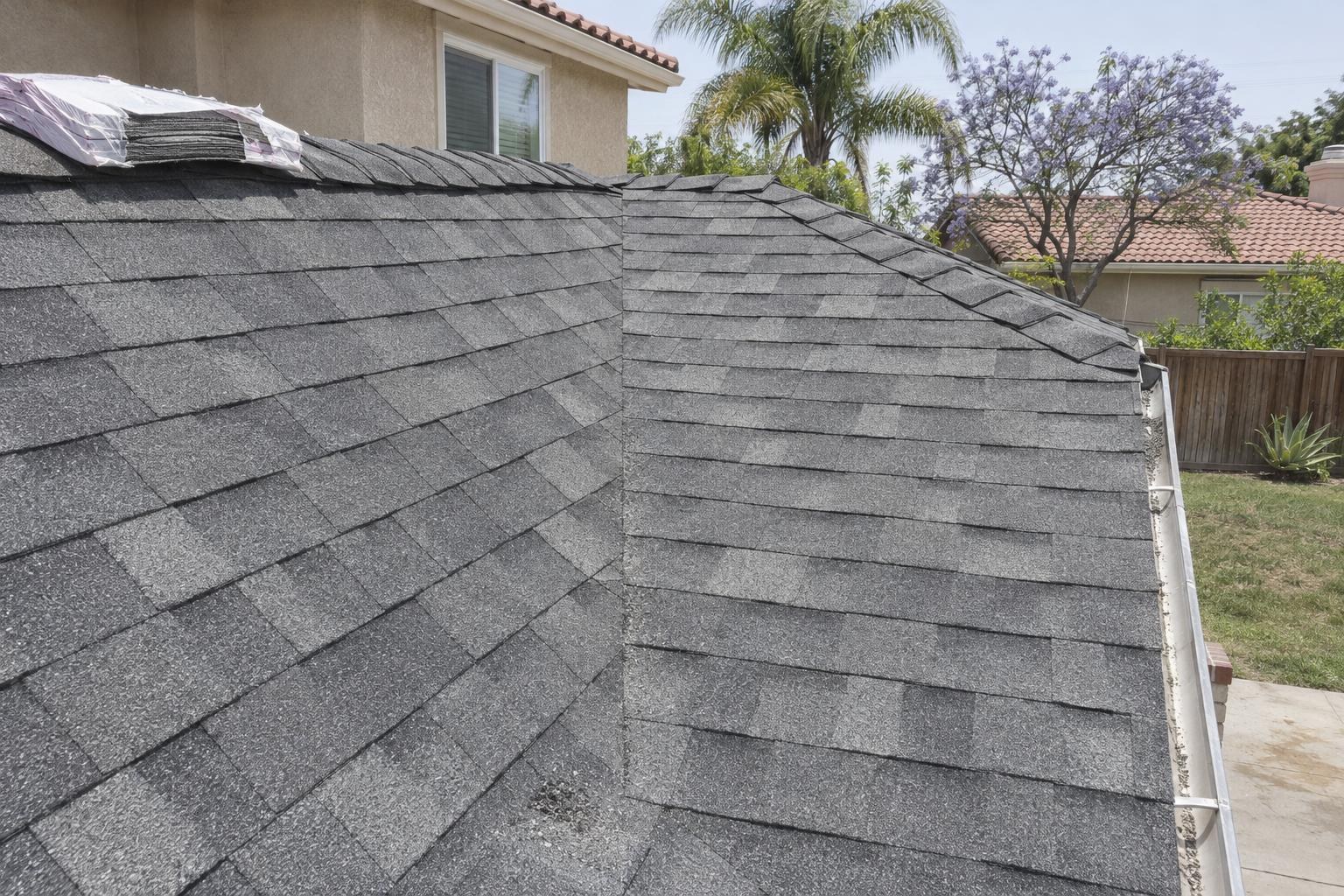
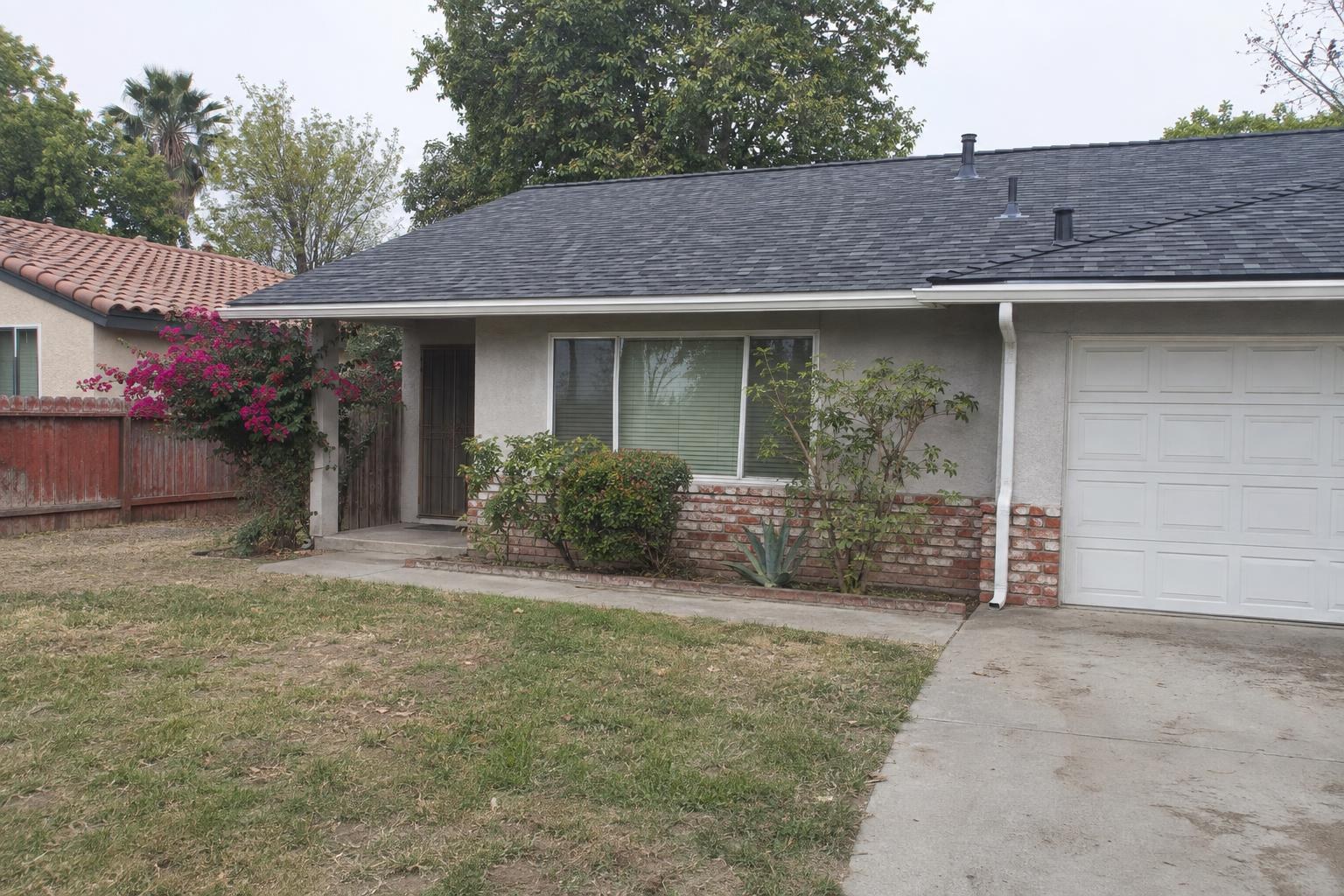
A full tear-off down to the decking, not a layover on top of what's already failing. We check every sheet of plywood or OSB underneath and replace anything soft or delaminated before new underlayment goes down. Most asphalt shingle replacements on a standard West Covina roof take two to three days depending on pitch and square footage.

Roof Repair

Not every roof problem needs a new roof. We patch cracked tiles, replace torn shingles, and reseal flashing around vents and chimneys instead of upselling a tear-off. Small repairs usually get done the same day.

Roof Leak Repair

A ceiling stain rarely sits right above the actual leak, water travels along the decking before it finds a gap in the drywall. We trace it back to the real entry point, usually cracked pipe boot flashing, nail pops, or rusted valley flashing. We show you what we found before we patch it.

Shingle Roof Installation

Architectural laminate shingles rated for high wind, which matters when Santa Ana gusts get into the 60s. We nail to manufacturer spec, not six nails scattered wherever, because under-nailing is the main reason shingles blow off in a windstorm.

Tile Roof Repair

Clay and concrete tile cracks under foot traffic more than it cracks from weather, so a lot of our tile calls come after someone else walked the roof wrong. We carry matching tile profiles when we can, and reset the underlayment, not just the tile, since that's usually what actually failed.

Flat Roof Repair

Flat and low-slope sections pond water if the slope was never cut right, and standing water breaks down modified bitumen and TPO membranes years early. We find where the ponding sits and fix the drainage, not just patch the blister on top.

Roof Inspection

We go up on the roof, we don't inspect from a drone photo or the driveway. You get a written report on decking condition, flashing, vent boots and how many years the field shingles likely have left, useful before you buy a house or file an insurance claim.

Gutter Installation

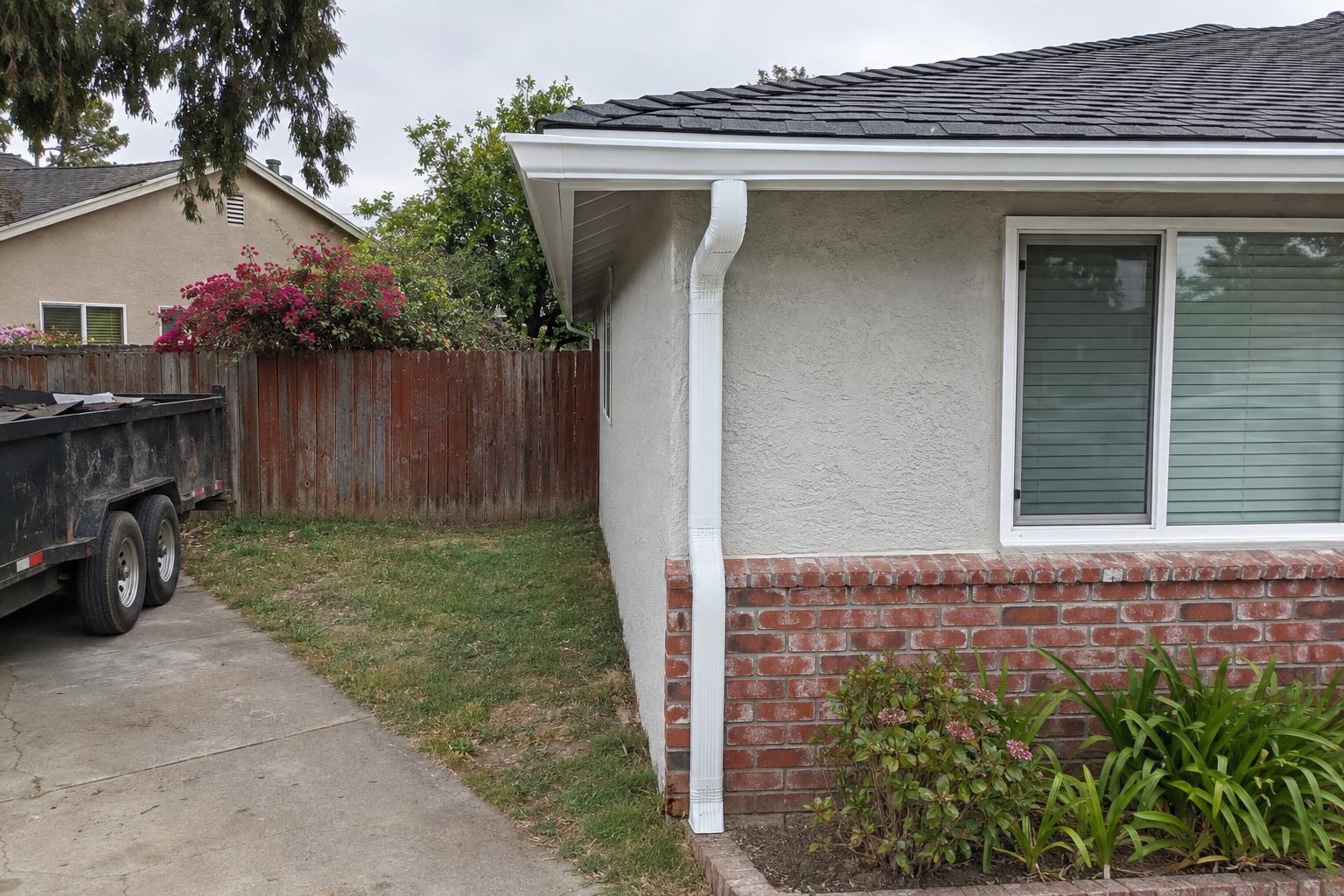
Continuous run aluminum gutters sized to the roof's actual water load, not a generic 5-inch K-style slapped up regardless of pitch. Undersized gutters overflow right at the fascia board, which is how rot starts.

Attic Ventilation & Ridge Vents

An attic that can't breathe cooks the shingles from underneath and runs your air conditioning harder all summer. We balance intake vents at the soffit with exhaust at the ridge, not just cut a hole and call it ventilation.

Roof Coating & Sealing

An elastomeric or silicone coating on a flat or low-slope roof buys years before a full membrane replacement is due. It isn't a fix for a roof with structural rot underneath, and we'll tell you if coating is the wrong call for your roof.

How It Works

Four steps, and no surprises in any of them.

01

We come and look

You tell us what you want doing, we look at what is actually there, and we ask the awkward questions early.

02

You get a price

In writing, itemised, free. If something might add cost later we flag it now rather than at the end.

03

We do the work

Same crew throughout. We cover your floors, keep the dust down and tidy up before we leave each day.

04

We walk it with you

You point out anything you are not happy with and we fix it before the invoice, not after.

Where We Work

All of this, across West Covina, CA

We quote and work jobs across this part of the San Gabriel Valley.

West Covina, CA
Los Angeles, CA
Anaheim, CA
Riverside, CA
Fontana, CA
Ontario, CA
Rancho Cucamonga, CA
Pomona, CA
Pasadena, CA
El Monte, CA
Covina, CA
Common Questions

Things worth asking

Questions that come up once a roofing job is underway.

Do I need a permit for a roof replacement?
Most California cities require a building permit for a full roof replacement, though simple repairs or small sections usually don't need one. The permit process typically includes an inspection of the decking once old roofing is removed, which confirms the structure underneath is sound.
How long does a roof replacement take?
A standard asphalt shingle roof replacement on an average single-family home takes two to four days, weather permitting. Tile roofs and larger or steeper roofs can take a week or more because of the extra labor to handle heavier material and complex flashing.
Can a roofing job be scoped to fit a specific budget?
Yes, a roofing contractor can usually adjust scope to fit a budget, repairing a problem section instead of a full replacement, or choosing a standard architectural shingle instead of a premium one. Being clear about budget constraints upfront lets the estimate reflect real options instead of one fixed number.
What kind of warranty comes with a new roof?
Most roofing manufacturers offer a material warranty on shingles, often 25 to 50 years depending on the product line, and roofing contractors typically back labor separately, often 5 to 10 years. Ask specifically what's covered, since manufacturer warranties often exclude labor to remove and replace defective material.
Who handles questions day to day once a roofing job starts?
On most roofing jobs, a crew lead or project manager is the main point of contact on site, while an office handles scheduling and billing. Confirming who to call directly if a question comes up mid-project avoids delays through a general number.
What roofing materials are typically used on a home?
Common residential roofing materials include asphalt three-tab and architectural shingles, concrete and clay tile, and standing seam metal, each suited to different roof pitches and budgets. Underlayment matters as much as the surface material, synthetic underlayment generally outperforms old felt paper for leak protection.
Can I stay in my house during a roof replacement?
Yes, homeowners typically stay in the house during a roof replacement, since the work happens entirely outside and on the roof deck. Expect noise during tear-off, and expect crews to tarp and contain debris falling near the house, landscaping and vehicles.
How should a homeowner prepare before roofing work starts?
Move vehicles out of the driveway and garage access area, and take down fragile items hanging on interior walls since hammering can cause minor vibration. Clear the yard of anything near the house that falling shingles or debris could damage during tear-off.
What happens if rot or damage is found once the old roof comes off?
Finding soft or delaminated decking once old shingles come off is common on a roof over 20 years old, and it needs to be replaced before new roofing goes down rather than covered over. A reputable roofer documents the damage with photos and prices the additional plywood separately before proceeding.
How should a new roof be maintained?
Clear leaves and debris out of valleys and gutters at least twice a year, since trapped debris holds moisture against shingles and speeds up wear. Check the roof after any major windstorm or hailstorm, and address a lifted shingle or cracked tile quickly before it turns into a leak.

Not sure what you need?

Describe the problem and we will tell you what it probably is. No obligation.

Call (909) 256-2676